
Music Video Production: Process, Costs & What Makes a Great Video
For artists, labels and managers: music video production process, costs, locations, and what separates a good video from a great one — by Interfilm.
Raber Sadiq
Founder & Creative Director, Interfilm Productions
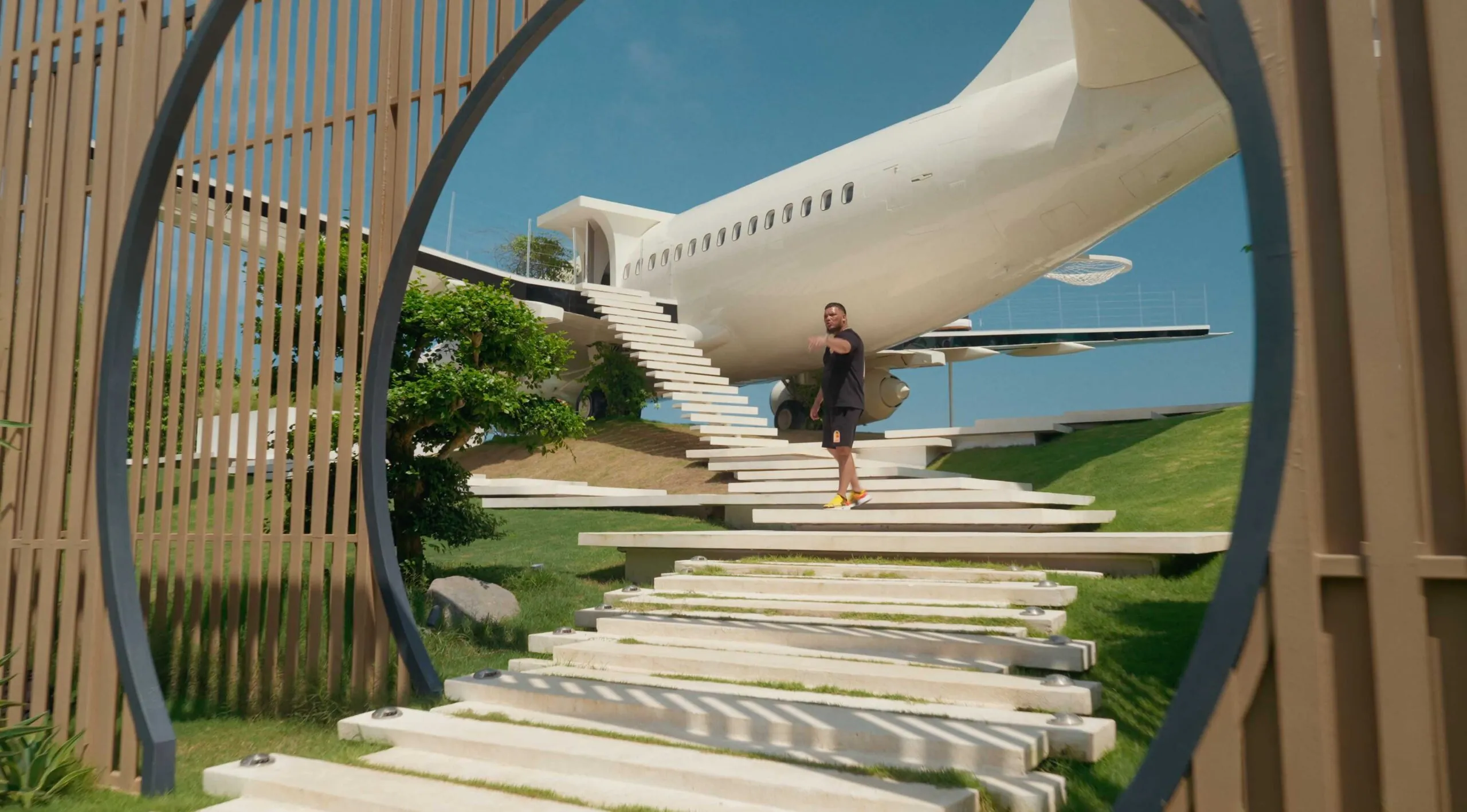
A music video is not a promotional add-on. It is the visual identity of a song — the image that follows a track across streaming platforms, social media, and live events for years after release. At Interfilm Productions, we have directed music videos for Sony Music artists, international stars including Douzi and Outlandish, and some of Denmark's most exciting emerging artists. This guide shares everything we have learned about what makes a great music video — and how to produce one that actually delivers.
Music videos are the most-watched content on YouTube — representing over 30% of all video views on the platform
Source: YouTube Creator Academy (2024)
A great music video is not just art — it is one of the most powerful distribution vehicles in the music industry.
Step 1: The Concept — Where Great Music Videos Begin
Every music video we produce at Interfilm Productions begins with the same question: what does this song feel like? Not what the lyrics say — what does it feel like? The concept should amplify the emotional truth of the track, not illustrate it literally. The best music videos create a visual world that makes you hear the song differently every time you watch.
Narrative vs Conceptual vs Performance
Most music videos fall into three categories: narrative (a story unfolds), conceptual (a visual idea or metaphor dominates), and performance (the artist performs the track with style and energy). The best videos blend all three. For emerging artists with limited budgets, a strong performance video shot in a visually compelling location outperforms a poorly executed narrative every time.
Reference Images and Mood Board
We always build a visual reference document before production: cinematography references, colour palette, wardrobe direction, location feel, and editing rhythm. This document is the shared language between the director, the DOP, the art director, and the artist. It prevents expensive misunderstandings on set and keeps every creative decision anchored to the same vision.
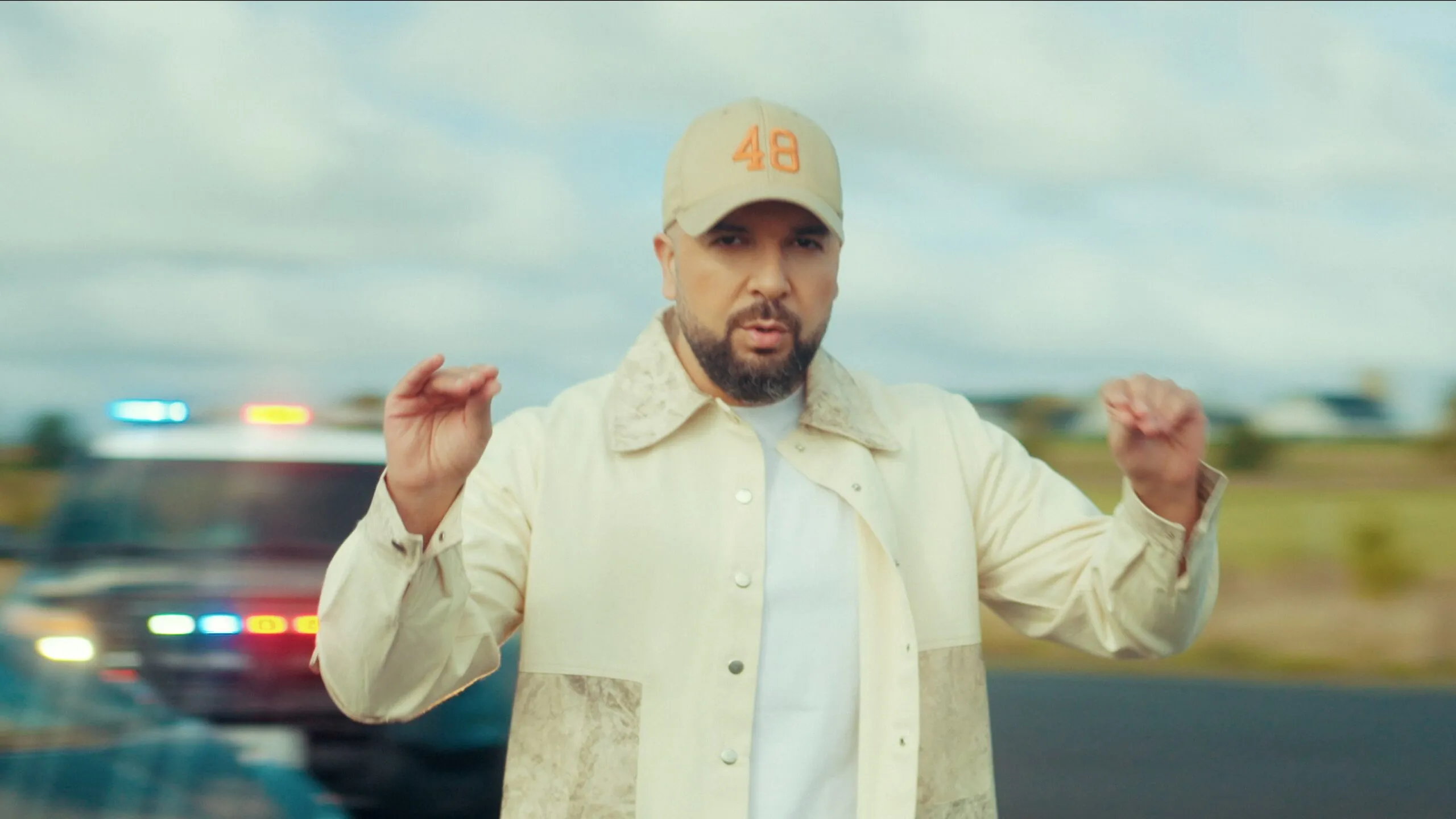
Step 2: Pre-Production — Where Videos Are Won or Lost
Music videos are expensive per production hour. Every minute of uncertainty on set costs money. Thorough pre-production is not overhead — it is the most important investment you make. At Interfilm, we dedicate between one and three weeks to pre-production depending on the scope of the video.
Behind the Scenes
Location Scouting
Denmark has extraordinary locations — from the industrial brutalism of Aarhus harbour to the raw coastal landscapes of Thy and the architectural beauty of Copenhagen. Location is often the most important production decision after the concept itself. We have filmed music videos in abandoned industrial sites, private estates, Copenhagen rooftops, international locations, and everywhere in between.
Casting
For videos with supporting cast, Interfilm Productions manages the full casting process: briefing, auditions, selection, and contracting. The wrong cast can undermine even the strongest concept. The right cast elevates it. We work with professional talent agencies and have a strong network of actors, models, and performers across Denmark.
Shot List and Storyboard
A shot list tells you what you need. A storyboard shows you how it will look. For complex or high-budget productions, both are essential. For simpler performance videos, a detailed shot list is sufficient. The key is knowing before the shoot day exactly what you are there to capture — and having creative flexibility built in for the unexpected moments that often become the best shots.
Step 3: Production Day
Music video shoot days are long, intense, and creatively demanding. A typical full production day at Interfilm runs 12–14 hours, covering multiple looks, locations, and setups. Our productions are run with a full crew: director, DOP, camera operator(s), gaffer, key grip, sound (if needed), art director, makeup, wardrobe, and production assistant. Every role matters.
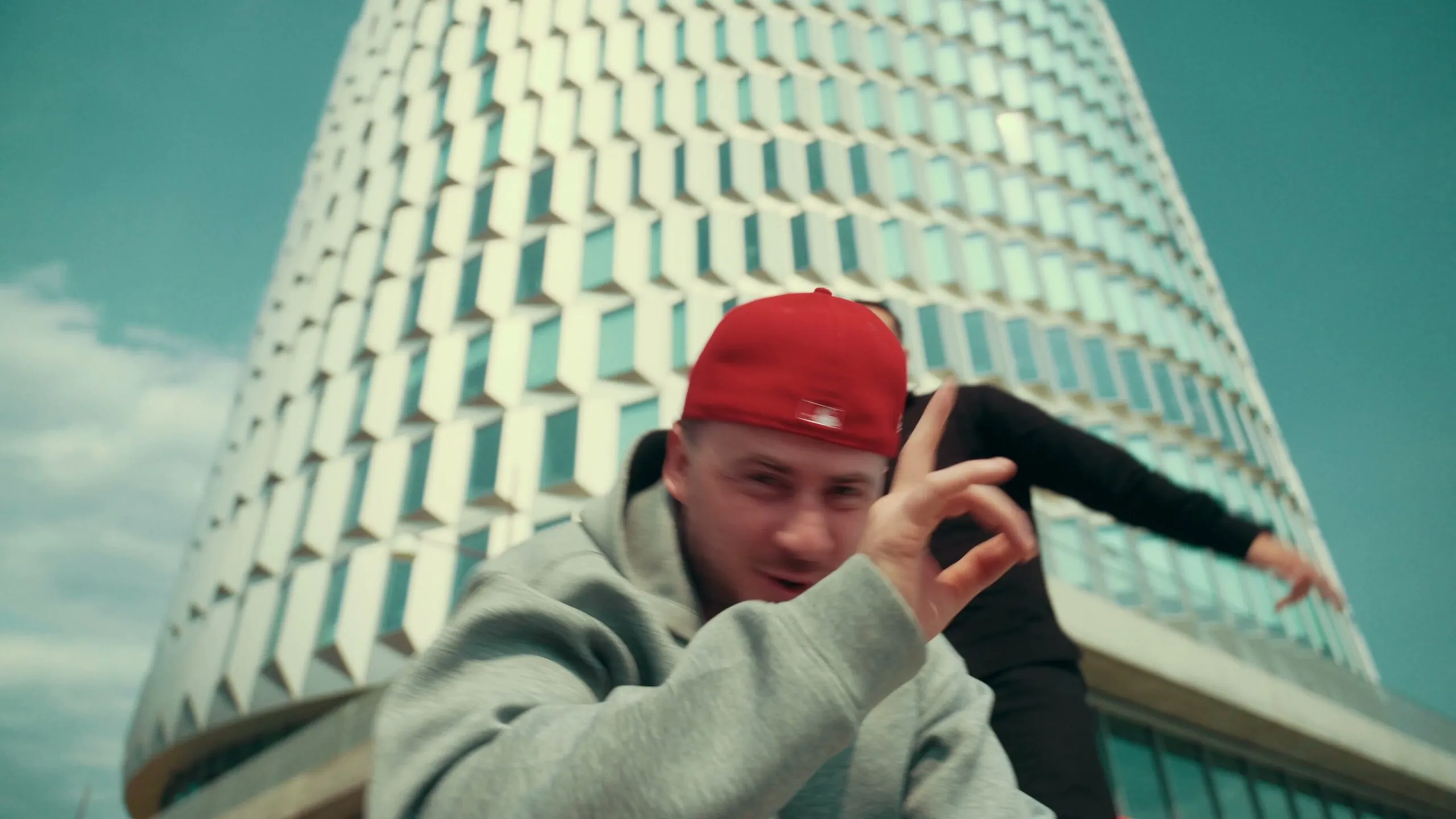
Lighting for Music Video
Lighting is the single most important technical decision in music video production. The difference between a cinematic image and an amateur one is almost entirely in the quality of light. At Interfilm, we use professional cinema lighting — ARRI, Aputure, and custom rigs — to create images that have the visual authority of internationally produced videos.
Camera Equipment
We shoot music videos on Sony FX6, Sony FX3, and RED cameras depending on the look and budget of the project. Each camera system offers specific advantages: the Sony FX6 for its exceptional low-light performance and dual ISO, RED for its extraordinary dynamic range on large-scale productions. Lens choices — often vintage glass for music videos — contribute as much to the look as the camera body itself.
Hvis du drømmer det, kan interfilm gøre det
Lad os skabe noget magisk sammen
Step 4: Post-Production
Post-production is where the footage becomes a film. For music videos, this phase is often as creatively significant as the shoot itself. Editing to music requires a particular skill — the ability to feel the rhythm and dynamics of a track and translate them into visual cuts that feel inevitable. Our editors work exclusively in DaVinci Resolve, cutting picture and grading in the same timeline for maximum creative control.
Colour Grading
Colour grading transforms technically correct footage into a visual world. For music videos, the grade is often as important as the cinematography. We work in DaVinci Resolve with full node-based colour grading, using LUTs as creative starting points and building signature looks that serve the concept and the artist's visual brand. A distinctive grade is what makes a video look like it belongs to a specific artist.
VFX and Motion Graphics
From simple titles and lyric overlays to complex compositing and colour-driven effects, Interfilm Productions handles VFX and motion graphics in-house. We do not outsource. This means faster turnaround, tighter creative control, and no communication loss between the editor and the VFX artist. The result is a more cohesive final product.
Music Video Costs 2026
Music video production costs vary enormously depending on concept complexity, crew size, locations, cast, and post-production demands. Here are honest market ranges.
| Level | Budget Range (DKK) | What You Get |
|---|---|---|
| Entry level | 15,000–30,000 | Small crew, 1 location, performance focus, basic grade |
| Professional | 30,000–80,000 | Full crew, 2–3 locations, art direction, colour grade |
| Premium | 80,000–200,000 | Multi-day, full cast, multiple locations, cinematic finish |
| Label / Commercial | 200,000+ | International locations, VFX, broadcast delivery |
At Interfilm Productions, most of our music videos are produced in the DKK 40,000–120,000 range. This delivers a full production crew, professional equipment, strong post-production, and a final result that competes with international music video standards. We are transparent about costs from the first conversation.
What Separates a Great Music Video from an Average One
A Strong Point of View
The best music videos have a clear directorial perspective. Not just pretty images — a specific way of seeing the artist and the song that feels intentional and distinctive. This comes from a director who has deeply engaged with the track and developed a genuine creative response to it, not from executing a brief as efficiently as possible.
The Artist's Visual Identity
A great music video contributes to the artist's developing visual language — it is not just a one-off production. It should feel like it belongs to the same world as the album artwork, the social media presence, and the live performance. At Interfilm, we ask artists to share their broader creative references before we develop a concept, so the video strengthens rather than contradicts their identity.
Performance Quality
Even the most conceptually ambitious music video needs a compelling performance at its centre. Directing artists on camera — helping them access the emotional truth of their performance while staying technically precise for lighting, framing, and continuity — is one of the most specialised skills in music video direction. It is a skill Interfilm Productions has developed across hundreds of productions with artists at every level.
“A music video should make you feel the song differently the second time you hear it. If it does that, it has done its job.”
— Raber Sadiq, Creative Director, Interfilm Productions
Ready to Create Your Music Video?
Interfilm Productions has directed music videos for Sony Music, Douzi, Outlandish, Jimilian, Branco, and many more. Tell us about your track and we will develop a concept that serves it.
Discuss Your Music VideoKonklusion
How much does a music video cost?
Music video production in Denmark ranges from DKK 15,000 for a simple performance video to DKK 200,000+ for a full-scale production with multiple locations, cast, and VFX. The majority of Interfilm Productions music videos are in the DKK 40,000–120,000 range, delivering a full crew, professional equipment, and a finished product that competes with international standards.
How long does it take to produce a music video?
From initial concept to final delivery, a professional music video typically takes 3–5 weeks. This includes 1–2 weeks of pre-production, 1–3 shoot days, and 1–2 weeks of editing, grading, and revisions. Rush timelines are possible but affect quality and increase costs.
Om forfatteren
Raber Sadiq
Founder & Creative Director — Interfilm Productions
Raber Sadiq is the founder and Creative Director of Interfilm Productions — a Copenhagen and Aalborg-based production company with 16+ years of experience producing brand films, documentaries, drone footage, and photography for clients including National Geographic, Disney+, Sony Music, and hundreds of businesses.